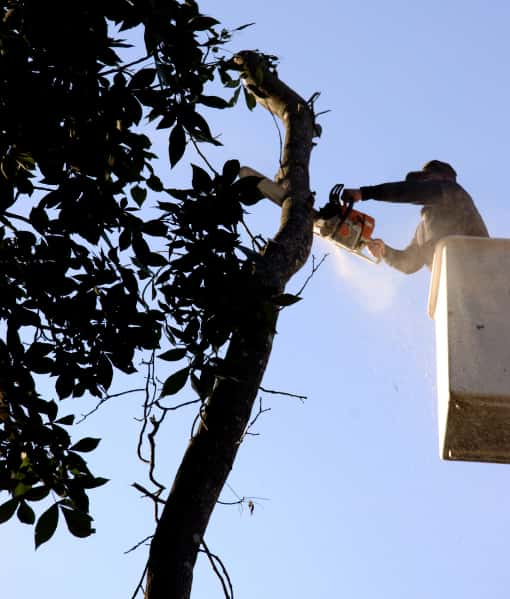
Trees rely on well-balanced branch structures to support their own weight and withstand wind, weather, and seasonal changes. When a branch becomes overloaded or grows imbalanced, the risk of failure increases significantly. For homeowners in Lakenheath and the wider Suffolk area, understanding how professional arborists identify these issues is essential to maintaining safe, healthy, and stable trees.
Recognising Signs of Excessive Weight
Overloaded branches can often be identified by visual clues. Arborists look for limbs that appear unusually thick, heavy, or extended compared to the rest of the canopy.
Branches that stretch out horizontally without adequate support underneath are particularly vulnerable. These limbs carry more weight than the tree can safely manage, especially during wet or windy weather.
Assessing Branch Angles and Attachment Points
The angle at which a branch grows plays a vital role in its long-term stability. Arborists check whether branches form strong, wide attachment angles or weak, narrow ones.
Narrow crotch angles often indicate tension or compression forces that increase the likelihood of splitting. A balanced branch structure should distribute weight evenly across the tree, reducing strain on any single attachment point.
Identifying Asymmetrical Canopy Growth
Trees don’t always grow evenly on all sides. Light, wind exposure, or surrounding structures can cause branches to grow more heavily in one direction.
Arborists assess the canopy to identify sections that appear disproportionately dense or extended. This imbalance places additional pressure on certain limbs and can lead to structural failure if not corrected.
Checking for Cracks, Strain Marks, or Early Damage
Visible damage is often a sign that a branch is under more pressure than it can safely bear. Arborists look for:
- Hairline cracks along the limb
- Buckling or bending
- Bark that appears stretched
- Small fractures near attachments
These indicators suggest that the branch is struggling to support its own weight and may be at risk of snapping.
Considering Internal Decay and Hidden Weaknesses
A branch may appear healthy externally but still be compromised internally. Professional arborists use tools and experience to assess the soundness of a limb, looking for signs of decay, hollows, or fungal activity.
If internal damage is present, even a moderately sized branch can become overloaded quickly due to reduced structural strength.
Evaluating Wind Load and Environmental Factors
In open or exposed locations such as Lakenheath, trees are more vulnerable to wind stress. Arborists consider how the tree interacts with prevailing winds and whether certain branches are absorbing more strain than others.
Wind loading can amplify any existing imbalance, making tree maintenance and early identification particularly important.
Creating a Safe and Stable Structure
Once an overloaded or imbalanced branch is identified, targeted tree surgery—such as crown reduction, selective pruning, or weight distribution adjustments—can help restore balance and stability.
The goal is always to protect the tree, reduce the risk of sudden limb failure, and maintain long-term health.
Conclusion
Overloaded or imbalanced branches can pose significant safety risks, but trained arborists can identify these problems early through careful assessment of structure, attachment strength, canopy shape, and environmental pressures. For homeowners, addressing these issues promptly helps maintain safe, healthy, and attractive trees.
If you are concerned about the condition of your trees or would like a professional assessment, Lakenheath Tree Surgeons in Lakenheath, Suffolk is ready to help. Contact us today to arrange a visit from our experienced team.
Call us on: 01842 771 096
Click here to find out more about Lakenheath Tree Surgeons
Click here to complete our contact form and see how we can help with your tree needs.