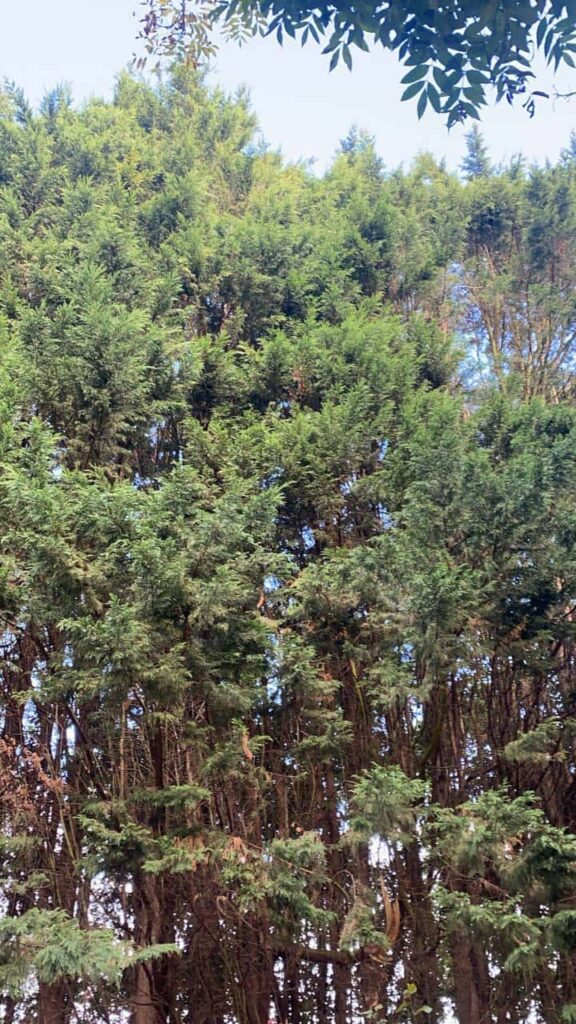
Removing a tree is a complex task, particularly when it is growing close to a house, boundary wall or other structure. While a tree may need to be removed because of disease, structural damage, restricted space or ongoing maintenance concerns, its position can make the work more challenging.
Unlike trees in open areas, those growing close to buildings cannot always be felled in one piece. Limited working space, overhanging branches and underground root systems all need to be considered before removal begins. For property owners in Lakenheath, Suffolk, understanding these challenges highlights the importance of using an experienced tree surgery team.
Why Tree Removal Near Buildings Requires Careful Planning
The location of a tree has a significant influence on how it can be removed. A large tree positioned beside a house or boundary wall may have branches extending over rooflines, garden structures or neighbouring spaces. There may also be limited room for machinery and equipment.
Before work starts, the tree’s height, canopy spread, trunk condition and surrounding obstacles should be assessed. The ground conditions and available access routes also need consideration.
This initial assessment helps determine the most suitable removal method and allows potential risks to be addressed before cutting begins.
Working Around Overhanging Branches and Roofs
Branches extending over houses, garages, sheds and other structures create additional challenges during tree removal. Allowing large limbs to fall freely could cause damage to roof tiles, gutters, windows or garden features.
In these situations, tree surgeons may need to dismantle the tree gradually, removing selected branches before working down the main trunk. Where appropriate, specialist rigging techniques can help control the movement and lowering of sections.
Careful positioning and sequencing are essential. Removing branches in the wrong order can affect the tree’s balance and make subsequent cuts more difficult.
Protecting Boundary Walls and Fences
Trees growing close to boundary walls and fences can be difficult to remove because there may be little space between the trunk and surrounding structures. Branches can become tangled in fencing, while heavy sections of timber may be difficult to lower without affecting nearby property features.
The condition of the wall or fence should also be considered. Older structures may already have cracks, loose sections or weakened foundations, making careful handling particularly important.
A planned dismantling process allows the tree to be removed in manageable sections rather than relying on uncontrolled falling. This helps reduce the likelihood of unnecessary impact on surrounding structures.
Managing Restricted Access and Limited Working Space
Access is another important consideration when removing trees from residential gardens. Narrow side passages, small gates, uneven ground and closely positioned buildings can restrict the movement of equipment.
Where machinery cannot reach the tree, the work may need to be completed using specialist climbing techniques and appropriate lowering equipment. This requires careful coordination and a clear understanding of the tree’s structure.
Restricted access can also affect how branches and trunk sections are handled and removed from the property. Planning these details beforehand helps the work progress in a controlled and organised manner.
Understanding the Risks Associated with Tree Roots
A tree’s root system can extend beneath lawns, paving, driveways and nearby structures. When a tree is close to a house or boundary wall, its roots may have grown around or beneath existing foundations and hard surfaces.
Removing the visible tree does not automatically resolve every root-related concern. The extent and condition of the root system should be considered, particularly where there are signs of disturbed paving, soil movement or structural changes nearby.
Stump removal also requires careful planning. Grinding equipment may be suitable in some locations, but underground services, restricted access and nearby structures can influence the method used.
A professional assessment helps establish the most appropriate approach without disturbing surrounding areas unnecessarily.
Choosing the Right Tree Removal Method
Not every tree close to a building needs to be removed in the same way. Depending on its size, condition and position, the work may involve sectional dismantling, controlled lowering of branches or other specialist techniques.
Sectional dismantling is commonly used where there is insufficient space for the whole tree to fall safely. The tree is removed gradually from the top down, with branches and trunk sections handled individually.
The chosen method should take account of the tree’s condition, nearby structures, ground conditions and available working space. This helps ensure that removal is carried out in a controlled way from beginning to end.
Why Professional Tree Surgeons Are Important
Tree removal close to buildings requires more than cutting through branches and trunks. It involves understanding weight distribution, structural stability, safe working positions and how each section will behave once removed.
Experienced tree surgeons can assess these factors and plan the work around the specific challenges of the site. They also have access to suitable equipment for handling trees in confined spaces and around vulnerable structures.
For property owners in Lakenheath, Suffolk, professional tree surgery helps ensure that difficult removals are approached with proper planning and care.
Conclusion
Removing trees close to houses and boundary walls can involve challenges such as restricted access, overhanging branches, vulnerable structures and complex root systems. Careful assessment and a suitable removal method are essential to manage these issues and protect the surrounding property.
If you have a tree that needs removing from a confined or difficult position, Lakenheath Tree Surgeons can assess the site and discuss the most appropriate approach. Contact the team to arrange professional tree removal services in Lakenheath, Suffolk.
Call us on: 01842 771 096
Clickhere to find out more about Lakenheath Tree Surgeons
Click here to complete our contact form and see how we can help with your tree needs.