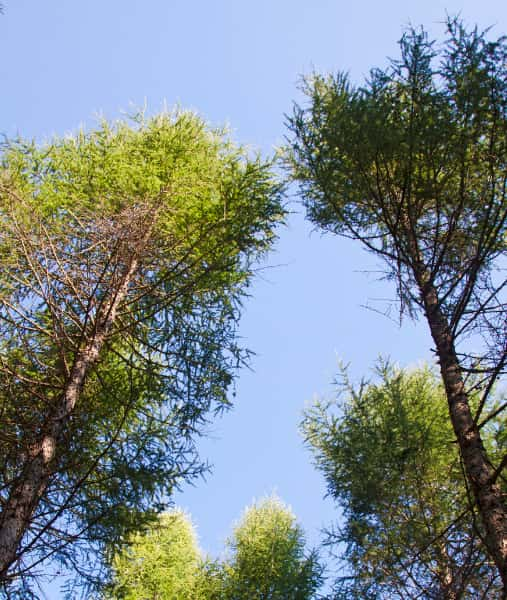
Trees bring structure, shade and natural beauty to gardens and outdoor spaces. However, as they mature, their branches may spread beyond the available space or develop a shape that no longer suits their surroundings. Crown reduction is a tree surgery technique that helps manage a tree’s height or spread while preserving its natural appearance and supporting healthy growth.
For property owners in Lakenheath, Suffolk, crown reduction can be a useful option when a tree has become too large for its setting or requires carefully managed growth. Lakenheath Tree Surgeons provides professional tree surgery services to help assess individual trees and identify suitable ways to maintain them.
What Is Crown Reduction?
Crown reduction involves selectively shortening branches throughout a tree’s canopy to reduce its overall height, spread or both. The work is carefully planned to retain the tree’s natural shape rather than leaving it with an artificial or heavily cut-back appearance.
A qualified tree surgeon identifies suitable branches and makes cuts back to appropriate side branches. This encourages the remaining canopy to retain a natural structure while reducing the tree’s dimensions where necessary.
Crown reduction differs from topping, which involves cutting back major branches without properly considering the tree’s structure or growth. Topping can leave large wounds, encourage weak regrowth and negatively affect the tree’s appearance and health.
The objective of professional crown reduction is to achieve a measured reduction while retaining as much healthy growth and natural form as possible.
When Is Crown Reduction Suitable?
Crown reduction is not necessary for every large tree. Whether it is appropriate depends on the species, condition, location and reason for considering the work.
When a Tree Has Outgrown Its Space
A tree may gradually become too large for a garden or extend beyond the space available around it. Carefully reducing its crown can help manage its dimensions while allowing it to remain an attractive feature of the property.
When Branches Grow Close to Buildings
Branches extending towards roofs, walls or other structures may need to be managed to maintain suitable clearance. Crown reduction can help where reducing the overall spread is appropriate, although individual branches may sometimes require a different pruning approach.
When the Canopy Has an Uneven Shape
Some trees develop an unbalanced canopy because of their growing conditions or previous pruning. Selective reduction may improve the overall outline while retaining the tree’s natural character.
When a Tree Overshadows the Garden
A large canopy can limit daylight reaching lawns, patios and nearby windows. Crown reduction may help manage the tree’s overall size, although crown thinning may be more suitable if the main concern is canopy density rather than height or spread.
A professional assessment helps establish whether crown reduction is the right solution for the specific concern.
How Crown Reduction Helps Maintain Natural Growth
The quality of crown reduction depends on how the work is carried out. Removing too much growth can place unnecessary stress on a tree, reduce its capacity to produce energy and encourage excessive regrowth.
Professional tree surgeons assess the canopy before selecting branches for removal. Cuts are made in appropriate positions, usually back to suitable lateral branches that can continue the natural growth pattern.
The amount removed should reflect the tree’s species, maturity and condition. Some trees tolerate pruning better than others, so a suitable reduction for one tree may not be appropriate for another.
Preserving the tree’s natural framework is essential. Rather than aiming for a uniform or artificially rounded shape, the work should respect the tree’s normal growth habit and maintain a balanced appearance.
Crown Reduction Versus Crown Thinning
Although crown reduction and crown thinning both involve selective pruning, they have different purposes.
Crown reduction decreases the overall height or spread of a tree. It may be appropriate when the tree has outgrown its location or needs more clearance from surrounding structures.
Crown thinning reduces the density of the canopy by selectively removing branches throughout it. This can allow more light and air to pass through without substantially changing the tree’s overall dimensions.
Choosing the right method matters because each addresses a different issue. Unnecessary reduction can remove more growth than required, while thinning may not resolve a problem caused by excessive height or spread.
Lakenheath Tree Surgeons can assess your tree and recommend an appropriate technique based on its condition and your requirements.
Choosing the Right Time for Crown Reduction
The most suitable time to reduce a tree’s crown depends on its species, health and growth cycle. Some trees are better pruned during dormancy, while others require different timing to minimise stress or avoid affecting flowering and fruiting.
The presence of nesting birds and other wildlife should also be considered before work begins. A preliminary assessment helps identify any concerns that may affect the timing or method of pruning.
For trees in Lakenheath, Suffolk, professional advice can help determine when crown reduction is appropriate and how much growth should be removed. If a tree has damaged or potentially dangerous branches, these concerns should be assessed promptly rather than left unaddressed.
Why Choose Professional Crown Reduction in Lakenheath, Suffolk?
Crown reduction requires knowledge of tree structure, suitable pruning techniques and the way different species respond to cutting. Poorly executed work can damage healthy growth, create large wounds and leave an unbalanced canopy.
A professional tree surgeon can determine whether reduction is necessary, establish an appropriate scope of work and carry out the pruning with the tree’s long-term condition in mind.
Lakenheath Tree Surgeons helps property owners in Lakenheath, Suffolk, manage their trees through appropriate tree surgery services. Whether a tree has become overgrown or needs its shape carefully managed, professional guidance can help you understand the available options.
Conclusion
Crown reduction can help manage a tree’s height and spread while maintaining its natural shape and encouraging suitable ongoing growth. The best results come from careful assessment, appropriate pruning cuts and a measured approach that avoids removing more healthy growth than necessary.
If your tree has outgrown its surroundings or needs professional attention, contact Lakenheath Tree Surgeons to discuss crown reduction and arrange an assessment in Lakenheath, Suffolk.
Call us on: 01842 771 096
Clickhere to find out more about Lakenheath Tree Surgeons
Click here to complete our contact form and see how we can help with your tree needs.